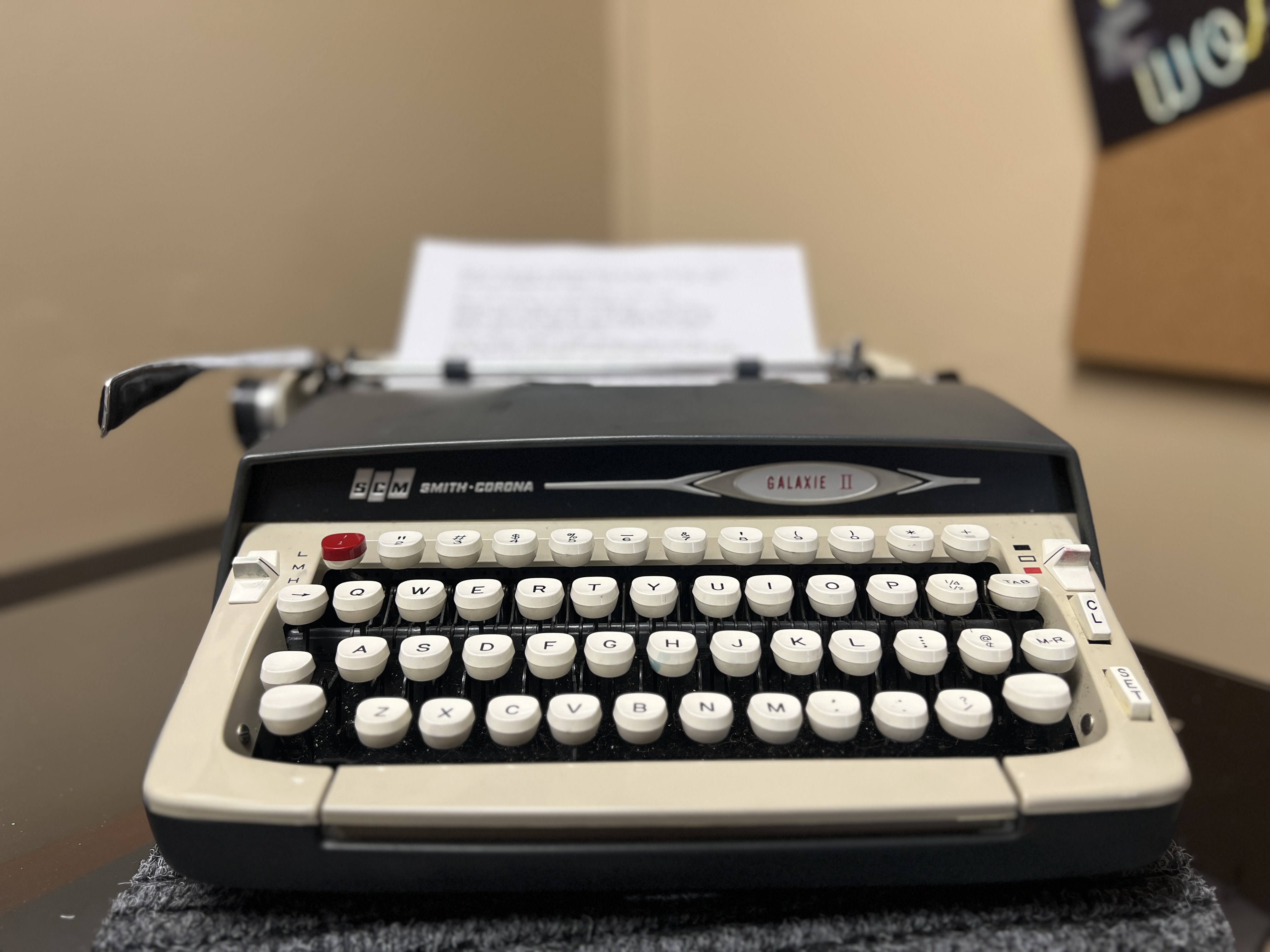
Before there was Julia Cameron’s Morning Pages, Natalie Goldberg’s “Writing Down the Bones” and a few years after Donald M. Murray’s writing-as-a-process, Peter Elbow espoused the concept of freewriting and voice in “Writing Without Teachers” and “Writing with Power.”
I follow a daily writing practice, that old Latin aphorism, never a day without a line. Never a day without many lines, most of which have nothing to do with making a living nor may ever see the light of day. I use some of Elbow’s principles just about every time I write. Writing is a process of exploration, of finding your voice, as much as it is a mode of communication, and the two are intrinsically linked. That was one of the key teachings of Peter Elbow.
Elbow wasn’t my entry into free writing. That was picking up “Writing Down the Bones” at a bookstore when I was on vacation in Maine in March 1987, and devouring the book on a snowy evening and going into Ellsworth to grab as many spiral-bound notebooks as I could find and filling page by page, notebook by notebook, with my free writing every day ever since.
Most people who know me either love or hate the fact that when I get into something, I really get into it. So it was with this. I got home and began to find and devour everything I could about writing, finding Murray’s work and Roy Peter Clark and Donald Fry’s “Coaching Writers” and, “Writing without Teachers,” among others.
Elbow was more academic than Goldberg, but as evangelical as Murray. Donald M. Murray, who was both a top flight academic AND a Pulitzer Prize-winning journalist, loomed larger as an influence because he understood both worlds.
Elbow wrote a lot about the process and lowering the bar at the beginning.
“Make some words, whatever they are, and then grab hold of that line and reel in as hard as you can. Afterwards you can throw away lousy beginnings and make new ones. This is the quickest way to get into good writing,” he wrote.
There’s something basic and yet brilliant in this advice. And in this:
“The habit of compulsive, premature editing doesn’t just make writing hard. It also makes writing dead. Your voice is damped out by all the interruptions, changes, and hesitations between the consciousness and the page. In your natural way of producing words there is a sound, a texture, a rhythm — a voice — which is the main source of power in your writing. I don’t know how it works, but this voice is the force that will make a reader listen to you … But if you abandon it, you’ll likely never have a voice and never be heard.”

 Nows and Forevers
Leave a comment