My last post was about how AI-generated content was responsible for about half the new published work on the web. That’s hard enough to swallow, although predictable. So is the fact, as reported in the Graphite study, that it’s harder than ever to detect what’s AI and what’s human.
Tell me about it. I was talking about this the other day with one of my colleagues, and he said that AI could be tasked to write in my style in the prompt and poof, there it was.
I found that disappointing. Even if I wonder if I have a “style” that can be replicated. I know there are human beings, many human beings, who write better and more poetically than me.
But what sticks with me is how little human-written stuff is being valued. The Graphite study refers to a 2023 analysis from MIT that showed that AI-written content is pretty much on the level of what a human can write.
OK, I’m soft-pedaling. The study concluded:
… content generated by generative AI and augmented AI is perceived as higher quality than that produced by human experts and augmented human experts.
Yikes, is what this human writer says to that.
I have to say that I don’t have any idea what the future brings. I’ve spent my entire carer as a published writer, stretching all the way back to the ’80s. Never did I think I would be replaced by a machine. My grandkids, maybe. But not me. Now I wonder.
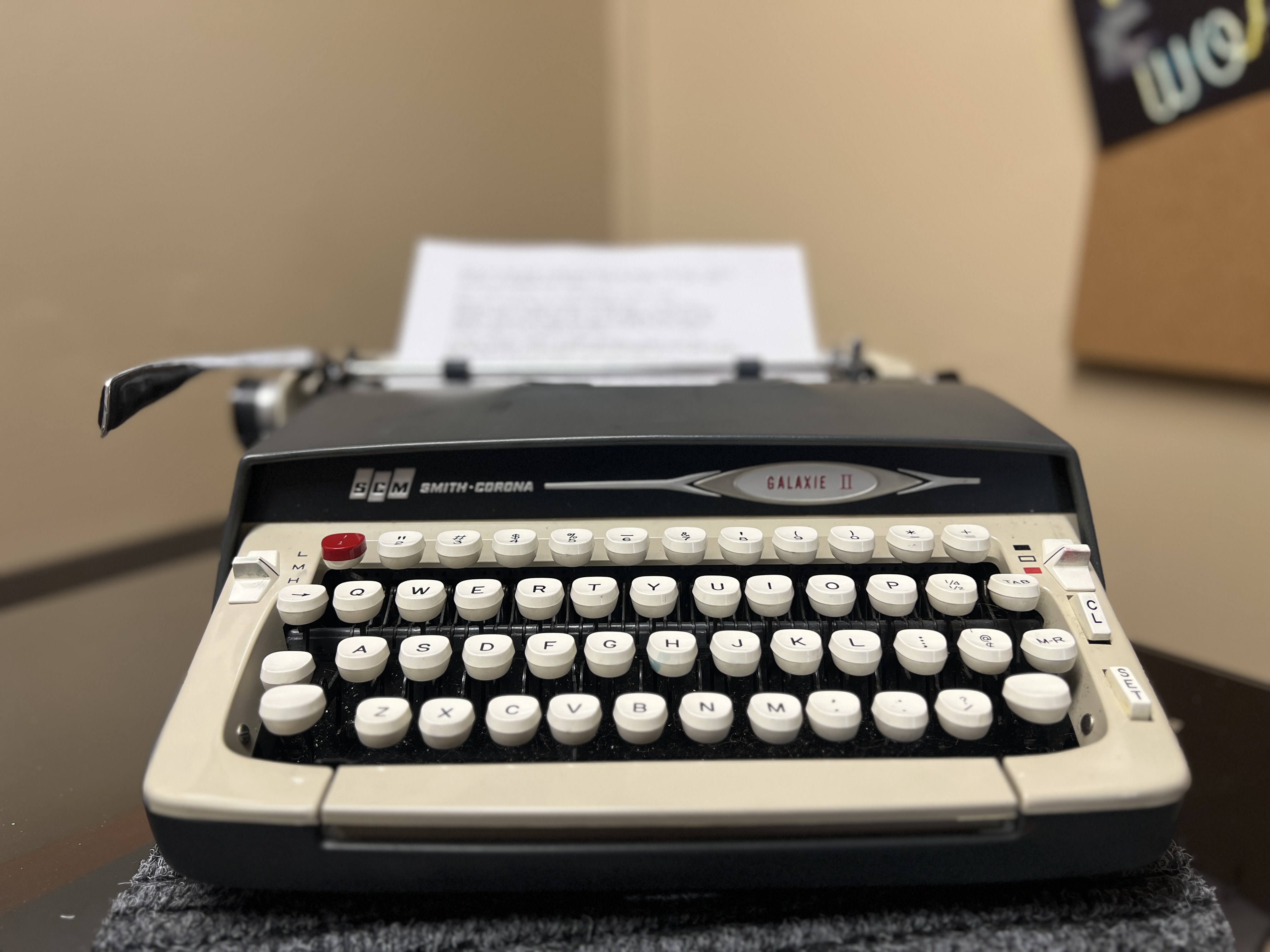
I’ve been concerned about this ever since ChatGPT broke out into the mainstream. (I’ve been writing about that on this blog a lot.) I’m not too optimistic when it comes to technological advances and human beings’ ability to smooth a transition. It doesn’t always go well, especially at the beginning. Just ask all the typewriter repairmen, the secretaries, the travel agents.
We don’t have to look too far: Social media and the Internet have pretty much broken society. I see no reason to think that generative AI will improve on the trajectory. To cap it off, the AI revolution could take away a large part of the job market.
What’s that going to do to writing, the form of expression that generative AI seems to be mastering? The most optimistic think there will still be an audience for human-writing. I’m hoping that’s the case. One of the things about writing that I know is that it can be deeply personal, deeply authentic. It is the axe that breaks the frozen sea between us, as Kafka put it 100-plus years ago.
What happens when that axe is wielded by generative AI?
I’m not a luddite, by any means. I see benefits in to AI in so many areas. I use it myself to help write headlines and to suggest tags, and other things that boost SEO and noticeability. I’m glad it’s here, because I know those are my writing weak points. I could see a lot of other benefits to AI.
But not when it comes to creation.
I know writers and journalists who use AI to help them prepare for interviews and to research subjects. I’ve used that a little, and it has saved a little time, in some respects. But by the time I check to make sure AI isn’t hallucinating, then I could have just done it myself. So while I’m willing to use AI to speed and deepen research, I’m still pretty wary.
But I stop well short of turning the whole creative process over to AI.
And you should, too.
That means not using AI to write letters for you, one of the longstanding ways human beings can communicate, one to another. Or using AI to create images, movies or other video. Or writing a prompt that will create a novel, a short story, a poem or an essay. Even if they’re so good these days that they can “fool” people.
There’s a line to be drawn in the sand. It’s got to be before that happens.
What are we but creative? And why would we want to give that up? Ever.

 Nows and Forevers
Leave a comment