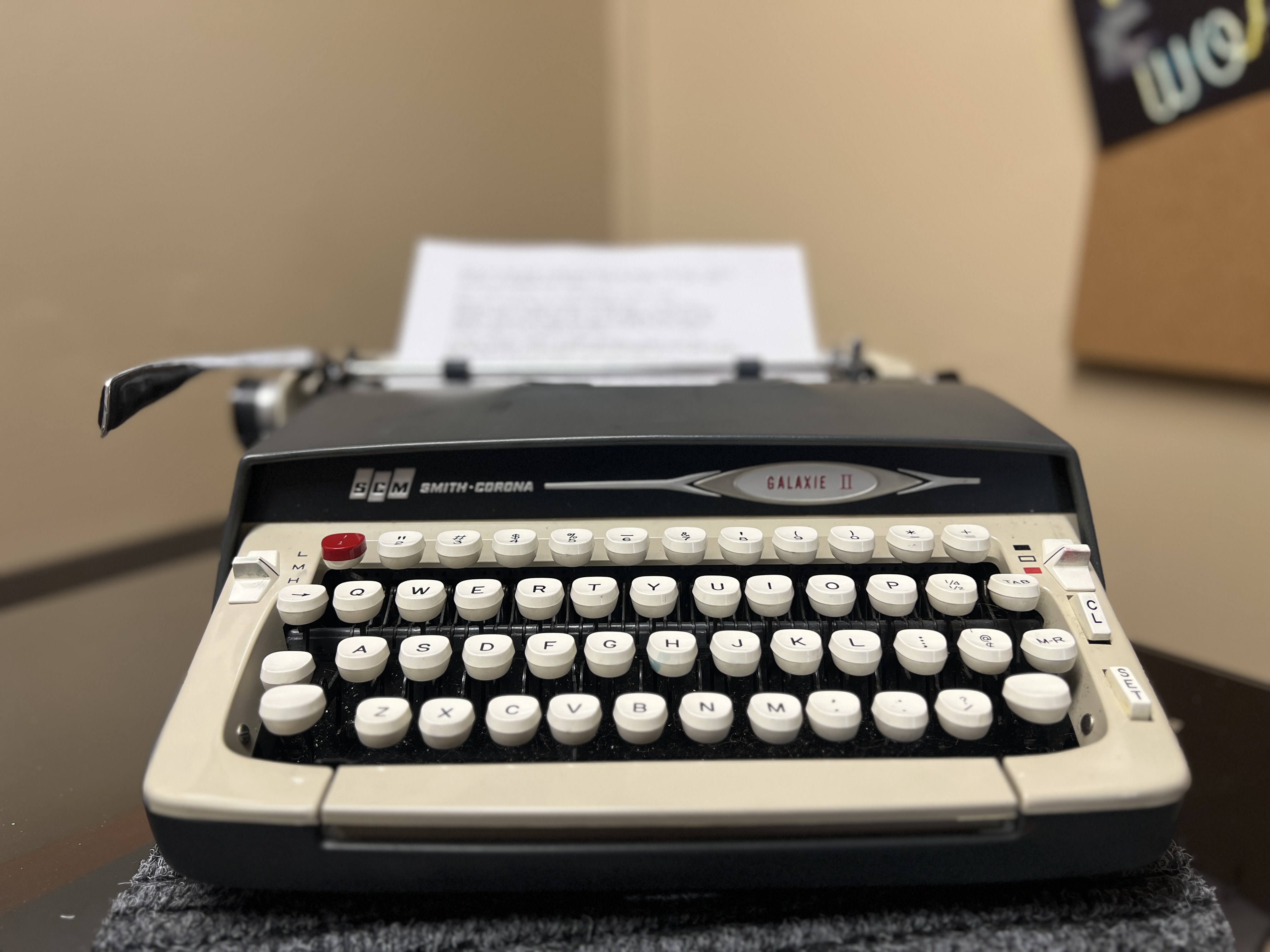
Tracy Kidder was one of the best practitioners of what’s called narrative journalism, making words and people and meaning come alive.
I fell into “The Soul of a New Machine” as a teenager in the ’80s, partly because I liked the cover and partly because some of took place on the Route 128 corridor near my grandparents’ place. “House,” in 1985, helped me understand how to tell a story I had no background in. He was so good at that, in both books.
“Among Schoolchildren” in 1989 was immersive narrative journalism at its best, and I know that because one of my friends, a longtime teacher, knew both teaching and writing in her bones and was struck by that book, too.
Kidder more than a decade ago cowrote a good book on writing, “Good Prose,” which I come back to every once in a while, too. He wrote:
“For a story to have a chance to live, it is essential only that there be something important at stake, a problem that confronts the characters or confronts the reader in trying to understand them. The unfolding of the problem and its resolution are the real payoff. A car chase is not required.”
For a story to have a chance to live … that’s a really brilliant way of putting it. Stories can live.

 Nows and Forevers
Leave a comment